
Top 10 Emerging Technologies Shaping 2025
As science and real-world application converge, a wave of breakthrough technologies is transforming the global landscape. Each year, the World Economic Forum identifies innovations poised to drive major societal, economic, and environmental impact within the next three to five years.
Below are 10 technologies to watch in 2025. These developments are set to reshape industries, solve urgent challenges, and redefine how we live and work.
1. Structural Battery Composites
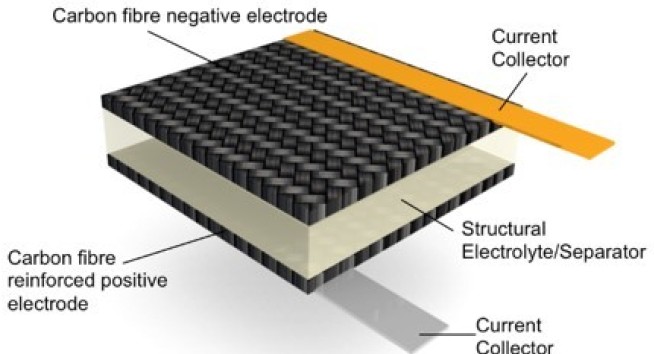
Source: Imperial College of London
Structural battery composites store energy within the very materials that form a structure—think carbon fiber that doubles as a battery. By combining strength and storage, these materials could transform electric vehicles and aircraft, reducing weight and boosting efficiency.
Adoption is still in early stages, but progress in regulation and safety could open the door to wide commercial use.
2. Osmotic Power Generation
Osmotic power draws energy from the salt concentration difference where freshwater meets seawater. Using processes like Pressure Retarded Osmosis and Reverse Electrodialysis, it produces clean energy with minimal environmental impact.
Recent breakthroughs in materials science are making this once-niche technology viable for real-world deployment, especially near river mouths and estuaries.
3. Advanced Nuclear Technologies
The nuclear sector is undergoing a renaissance. Innovations like Small Modular Reactors and alternative cooling systems aim to lower costs, streamline plant design, and improve safety.
Nuclear fusion—long seen as the holy grail of energy—is also inching closer to reality, offering a potentially limitless, clean energy source.
4. Green Nitrogen Fixation
Ammonia-based fertilisers are essential for global agriculture, but current production consumes about 2% of global energy. Green nitrogen fixation replaces the traditional process with enzyme-driven or bio-based methods powered by renewable electricity.
This approach makes fertiliser production more sustainable without compromising food security.
5. Engineered Living Therapeutics
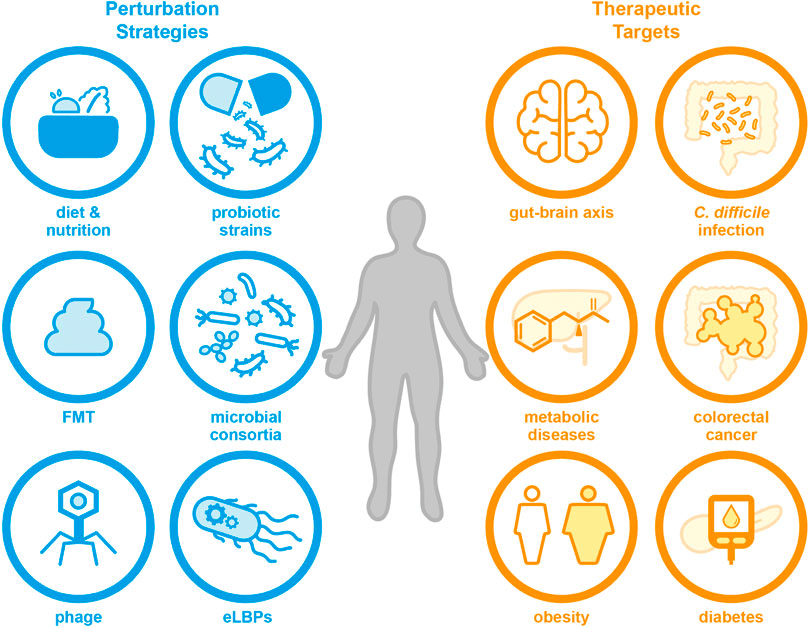
Source: Frontiers
Imagine a probiotic that delivers medicine inside your body. Scientists are creating living microbes that produce therapeutic compounds from within, turning the human body into a bio-factory.
This could revolutionise chronic disease care by reducing costs and improving quality of life.
6. Generative Watermarking for AI Content
As AI-generated content spreads, tracking authenticity becomes essential. Generative watermarking invisibly embeds markers into AI-created images, video, and audio, helping identify and authenticate synthetic media.
Though not yet widespread, this technology will play a key role in combating misinformation and content manipulation.
7. GLP-1 Drugs for Neurodegenerative Diseases
Originally used for diabetes and weight management, GLP-1 receptor agonists are now showing promise in slowing conditions like Alzheimer’s and Parkinson’s.
These drugs reduce brain inflammation and clear toxic proteins. Early clinical trials suggest they may help millions living with dementia.
8. Autonomous Biochemical Sensing
Next-gen sensors are evolving beyond fitness tracking. These wearables can detect everything from glucose levels to pollutants and hormonal shifts.
By combining AI with ultra-small electronics, these devices are branching into health, food safety, and environmental monitoring.
9. Nanozymes
Nanozymes are synthetic nanomaterials that mimic natural enzymes. They’re cheaper, more stable, and effective under extreme conditions.
They hold promise in cancer care, water purification, and manufacturing, with clinical trials and commercial use already underway.
10. Collaborative Sensing Networks
The future of sensing is collaborative. By networking multiple AI-powered sensors, systems can adapt in real time—optimising traffic lights, monitoring ecosystems, or coordinating disaster responses.
These networks are set to transform sectors like agriculture, logistics, and urban planning.
Four Emerging Themes
1. Trust and Safety in a Connected World
Technologies like watermarking and smart sensors aim to build transparency and security into digital systems.
2. Next-Gen Biotech for Health
From GLP-1 drugs to engineered therapeutics, biotech is moving from reactive treatment to proactive care.
3. Sustainability by Design
Green fertilisers and osmotic energy show how core industries can cut emissions and reduce environmental costs.
4. Cross-Disciplinary Innovation
The fusion of AI, biology, and materials science reflects a deeper shift toward integrated, system-wide solutions.
Why It Matters
These technologies are more than scientific breakthroughs. They are practical solutions with the potential to address misinformation, energy demands, aging populations, and food insecurity.
Unveiled during the World Economic Forum’s “Summer Davos,” the Top 10 list spotlights tech at the turning point—where innovation meets real-world potential. As Jeremy Jurgens and Frederick Fenter put it, this insight helps decision-makers act ahead of the curve.
Stay Ahead
These innovations aren’t decades away. They are in development now, with many poised for real-world impact within three to five years.
For leaders in business, science, or policy, staying informed is the first step to helping shape a more resilient, sustainable, and equitable future.
 Echo Daily
Leave a comment